
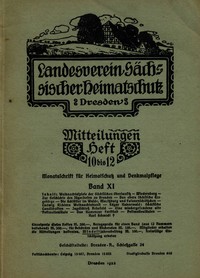
Landesverein Sächsischer Heimatschutz — Mitteilungen Band XI, Heft 10-12…
Let's be clear from the start: this isn't a book you find by accident. Landesverein Sächsischer Heimatschutz — Mitteilungen Band XI, Heft 10-12… is a compilation of newsletters published by a Saxony heritage protection society between 1932 and 1933. There are no main characters in the traditional sense, only the collective voice of the society itself.
The Story
The "plot" is the society's work. Page by page, they discuss preserving old farmhouse styles, documenting regional dialects, and protecting historic monuments. But the real narrative unfolds in the background. As you move through the issues, the world outside is shifting. The language in the bulletins becomes subtly strained. Discussions about "protecting the German landscape" start to carry a different weight. You're not reading a history of the Nazi rise to power; you're reading the minutes from a club meeting that happened to be held as the ground was crumbling beneath their feet. The story is in what they choose to focus on, and what they pointedly ignore.
Why You Should Read It
This is history without the hindsight. There's no narrator explaining the significance. You have to sit with the primary source and feel the unease build. It's a masterclass in reading context. The society members weren't villains in a history book; they were people trying to do what they thought was right—preserving their home—in a time when the very definition of "home" was being weaponized. It makes you think hard about the lines between cultural pride, nationalism, and complicity.
Final Verdict
This is not for everyone. It's a specialist document. But if you're a history nerd who loves primary sources, or someone fascinated by how ordinary life persists on the edge of extraordinary events, this is a unique and chilling find. Perfect for readers who enjoyed the atmospheric dread of novels like The Garden of Evening Mists or the documentary feel of They Thought They Were Free. Be prepared to read between the lines.
This digital edition is based on a public domain text. Preserving history for future generations.
Melissa Scott
2 months agoAs someone who reads a lot, the depth of research presented here is truly commendable. A true masterpiece.
Lucas Lewis
1 year agoFinally found time to read this!
Charles Torres
2 years agoThe fonts used are very comfortable for long reading sessions.
Mason Taylor
1 year agoNot bad at all.







Patricia Walker
7 months agoThanks for the recommendation.