
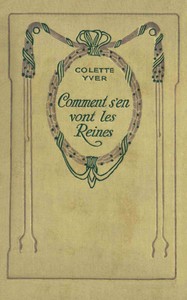
Comment s'en vont les reines by Colette Yver
Colette Yver's 1907 novel, 'Comment s'en vont les reines', pulls back the curtain on a respected French family just after its anchor has been lost.
The Story
The story begins with the death of Madame de Virecourt, the beloved and capable matriarch. Her husband, Monsieur de Virecourt, is a kind but somewhat distant figure, more comfortable with his books than family drama. The real focus shifts to their three adult daughters: Berthe, the responsible eldest who tries to step into her mother's shoes; Lucie, the romantic dreamer; and Jeanne, the youngest, who is more independent and observant. Without their mother's guiding hand, long-suppressed tensions surface. Questions about marriage, duty, personal freedom, and the family's future start to crack their polite facade. The novel follows them as they navigate grief, societal expectations, and the startling realization that life must now be built on their own terms.
Why You Should Read It
What grabbed me was how quietly revolutionary this book feels. Yver doesn't shout her themes; she shows them in the details of daily life—a strained conversation, a longing glance, a moment of quiet rebellion. She writes about women who are intelligent and full of potential, yet boxed in by the rules of their time. You see the weight of being the 'good daughter' on Berthe, and the spark of something different in Jeanne. It's a story about the invisible labor of holding a family together and what happens when that glue is gone. Reading it, you can't help but think about the 'queens' in your own life.
Final Verdict
This is a perfect pick for readers who love character-driven family sagas or historical fiction that focuses on social dynamics rather than grand battles. If you enjoyed the nuanced family portraits in novels by Jane Austen or the domestic insights of an author like Elizabeth Gaskell, you'll find a lot to love here. It's a thoughtful, poignant snapshot of a world in subtle transition, seen through the eyes of the women living in it.
This text is dedicated to the public domain. Share knowledge freely with the world.
William Davis
1 year agoAfter spending a few days with this digital edition, the footnotes provide extra depth for those who want to dig deeper. It definitely lives up to the reputation of the publisher.
George Lopez
7 months agoIt took me a while to process the complex ideas here, but the structural organization allows for quick referencing of key points. I’ll definitely be revisiting some of these chapters again soon.
David Garcia
9 months agoAfter spending a few days with this digital edition, the visual layout and supporting data make the reading experience very smooth. Top-tier content that deserves more recognition.
Margaret Young
10 months agoHigh quality edition, very readable.





Donald Anderson
6 months agoRight from the opening paragraph, the level of detail in the second half of the book is truly impressive. It’s hard to find this much value in a single source these days.